Collection: Aletai Iron Meteorite Specimen

Aletai (Altay) Iron Meteorite

One of the world’s largest documented meteorite strewn fields—authentic iron-nickel from deep space.

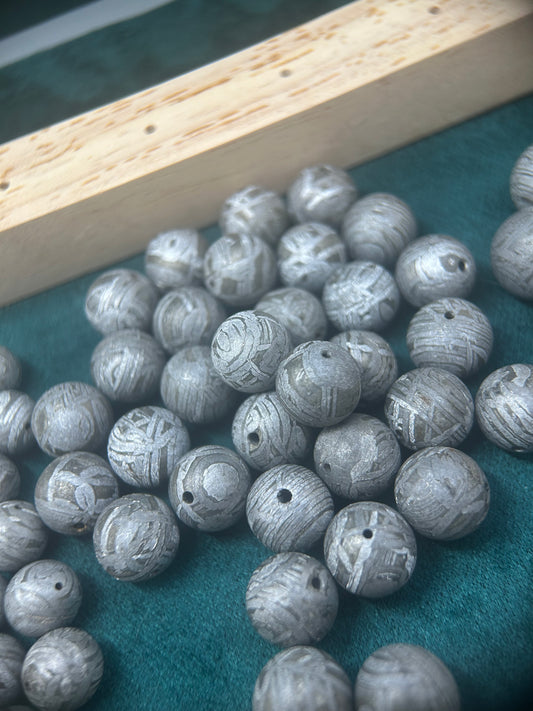
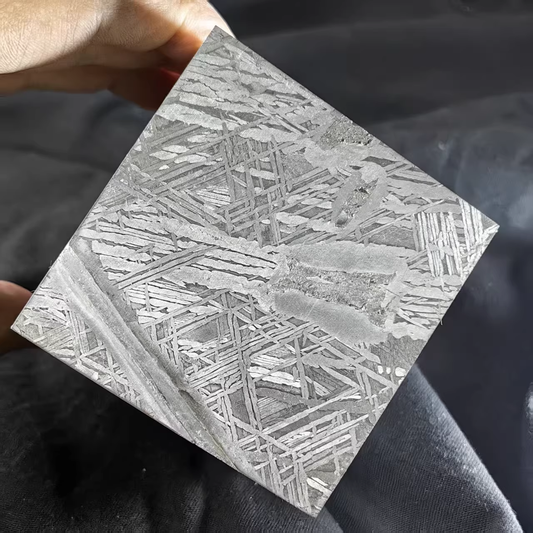
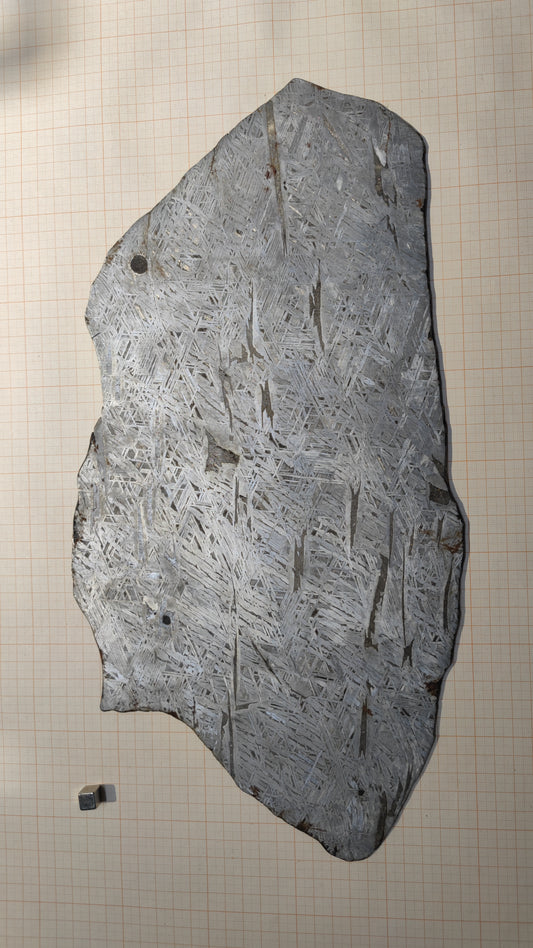
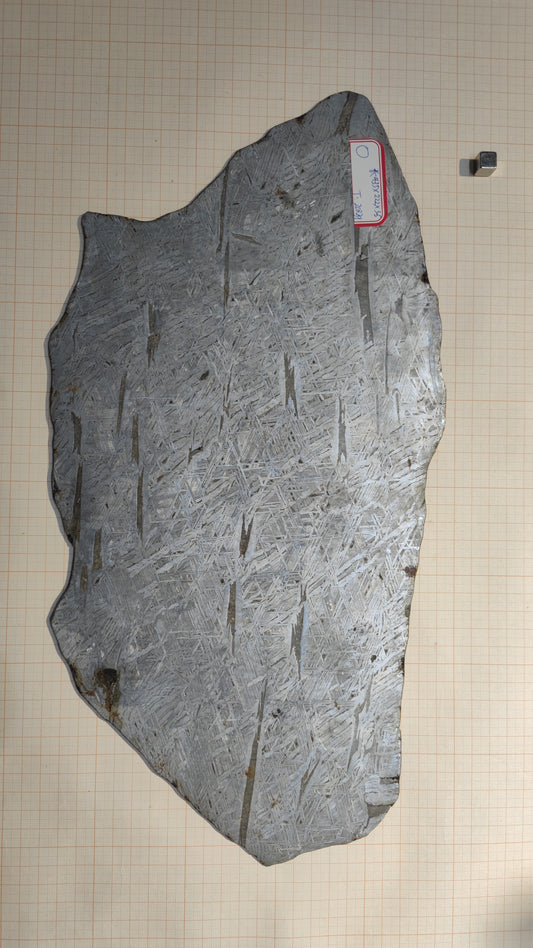
If you’re browsing meteorites for the first time, Aletai is an excellent place to start. It’s a classic iron meteorite known for its scale, history, and the iconic Widmanstätten pattern—a natural crystalline structure that can only form in space over extremely long cooling times.

This category brings together Aletai specimens selected for collectability, display, and education, with clear specs and authenticity documentation so you can buy with confidence.


What is an “Iron Meteorite”?

Iron meteorites are primarily made of iron + nickel alloy. They’re thought to originate from the metallic cores of ancient asteroids that broke apart early in the Solar System’s history.

Compared with most “stony” meteorites, iron meteorites are:

  • Heavier for their size
  • Magnetic (most pieces respond strongly to a magnet)
  • Often able to show crystalline patterns when properly cut, polished, and etched

What Makes Aletai Special?

Aletai (also written “Altay”) is famous among collectors because it’s associated with an exceptionally large strewn field (a long debris field created when a meteoroid breaks up before or during impact). That means many fragments exist in different sizes—ranging from small collectible pieces to very large masses—yet they share the same basic iron-nickel character.

For collectors and gift buyers, the appeal is simple:

  • Recognizable classic in the meteorite world
  • Strong “real meteorite” feel in-hand (weight and metal presence)
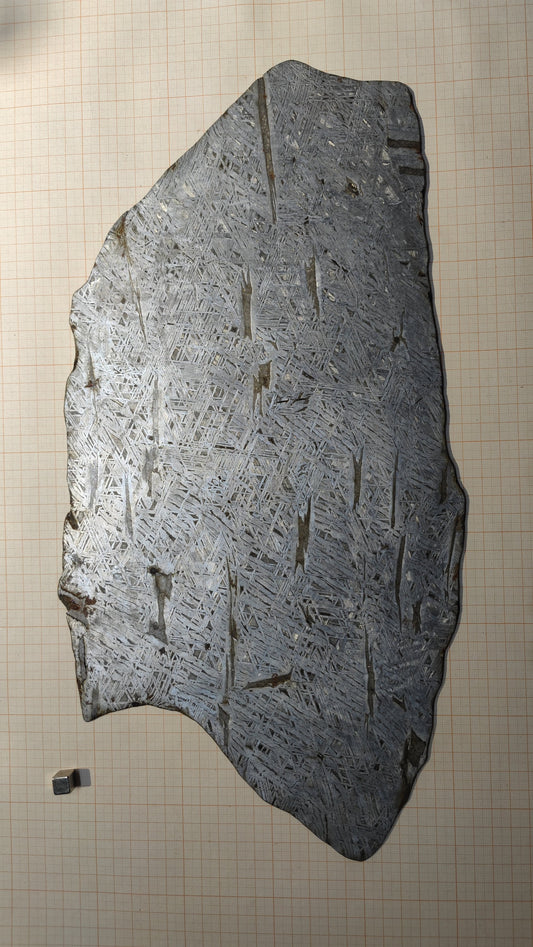
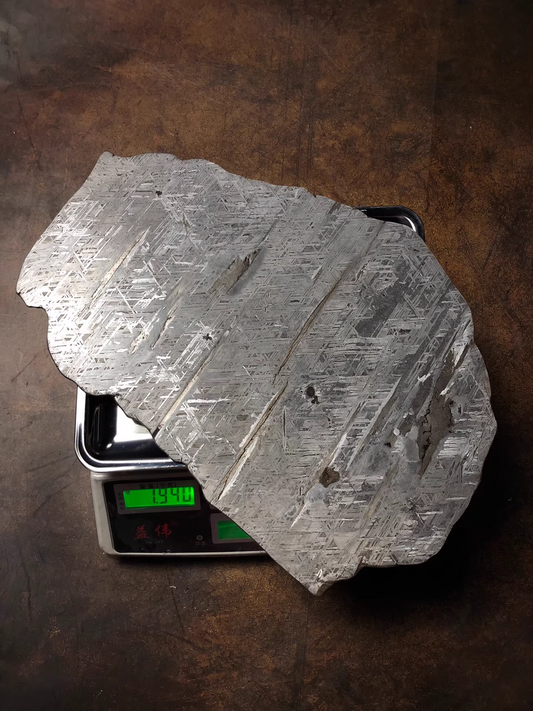
  • Potential to display the Widmanstätten pattern (when etched)

The Widmanstätten Pattern (Why It’s a Big Deal)

The Widmanstätten pattern is a geometric, cross-hatched structure that appears on many iron meteorites after they are:

  1. Cut
  2. Polished
  3. Etched (a controlled process that reveals internal crystal structure)

Why it matters:

  • It’s a strong indicator of an iron meteorite’s internal structure
  • It forms during extremely slow cooling in space (conditions Earth rocks don’t replicate the same way)
  • It’s one of the most iconic “meteorite signatures” collectors look for

Note: Not every listing is etched. If you specifically want visible patterning, choose a product that says “etched Widmanstätten pattern.”


What You’ll See in Your Aletai Piece

Depending on the item type (raw, polished, etched), you may see:

1) Natural fusion crust / weathering (raw pieces)

  • Dark surface, irregular texture
  • Small pits or shallow “thumbprints” (regmaglypts) may appear
  • Earth weathering can be present because iron oxidizes over time

2) Metallic luster (polished pieces)

  • Smooth reflective metal
  • More “museum-like” display look

3) Crystal structure (etched pieces)

  • Visible Widmanstätten pattern
  • Contrast lines and plates across the metal surface

Natural variation is normal. Small pits, minor lines, or color differences can occur and do not mean the item is “fake”—they’re common in real meteorites, especially irons.


Authenticity & Documentation (What You Should Expect)

Buying meteorites online should feel transparent. For each Aletai item, you should expect:

  • Clear photos of the actual piece (or clearly stated if it’s representative)
  • Weight and dimensions
  • A Certificate of Authenticity (COA)

If your COA includes membership/appraisal references (as shown), that’s an added trust layer for gifting and collecting.


How to Choose the Right Aletai Meteorite

Use this quick guide based on your goal:

  • First meteorite / gift:
    Choose a polished or etched piece with a stand or display case—easy “wow” factor.

  • Science & pattern lovers:
    Choose etched Widmanstätten listings.

  • Raw, natural, “field” look:
    Choose unpolished fragments (more rugged, more “as found” feel).

  • Desk display:
    Look for a slice/plaque format + included stand.


Care Guide (Important for Iron Meteorites)

Iron meteorites can rust if stored in humid conditions. To keep yours looking great:

  • Keep it dry (avoid bathrooms/kitchens, and don’t store near windows with condensation)
  • Limit frequent bare-hand touching (skin oils + moisture)
  • Store with silica gel in the display box if you live in a humid climate
  • If you ever see orange/brown spots, address early (we can provide care tips)

With basic care, iron meteorites are stable and display beautifully long-term.


What’s Included

Each listing will specify what’s inside the package. Many Aletai items include:

  • Metal display case
  • Small stand
  • Protective packaging for safe shipping

FAQ (Conversion-Friendly)

Is Aletai magnetic?
Most Aletai iron meteorite pieces are strongly magnetic due to iron-nickel metal content.

Will my piece show the Widmanstätten pattern?
Only if it’s cut/polished and etched (check the listing details). Raw pieces usually won’t show it.

Is rust a sign it’s fake?
No—iron meteorites can oxidize on Earth. Proper storage prevents most issues.

Are meteorites safe to own?
Generally yes. For preservation, keep them dry and handle with care.


Explore Aletai Specimens

Browse this category to find:

  • Raw fragments (natural look)
  • Polished pieces (display-ready)
  • Etched Widmanstätten pieces (most visually “meteorite-classic”)

Each product page includes photos, specs, and authenticity info so you know exactly what you’re buying.